
What to Know About Vehicle Protection Plans, Costs, Coverage, and Exclusions
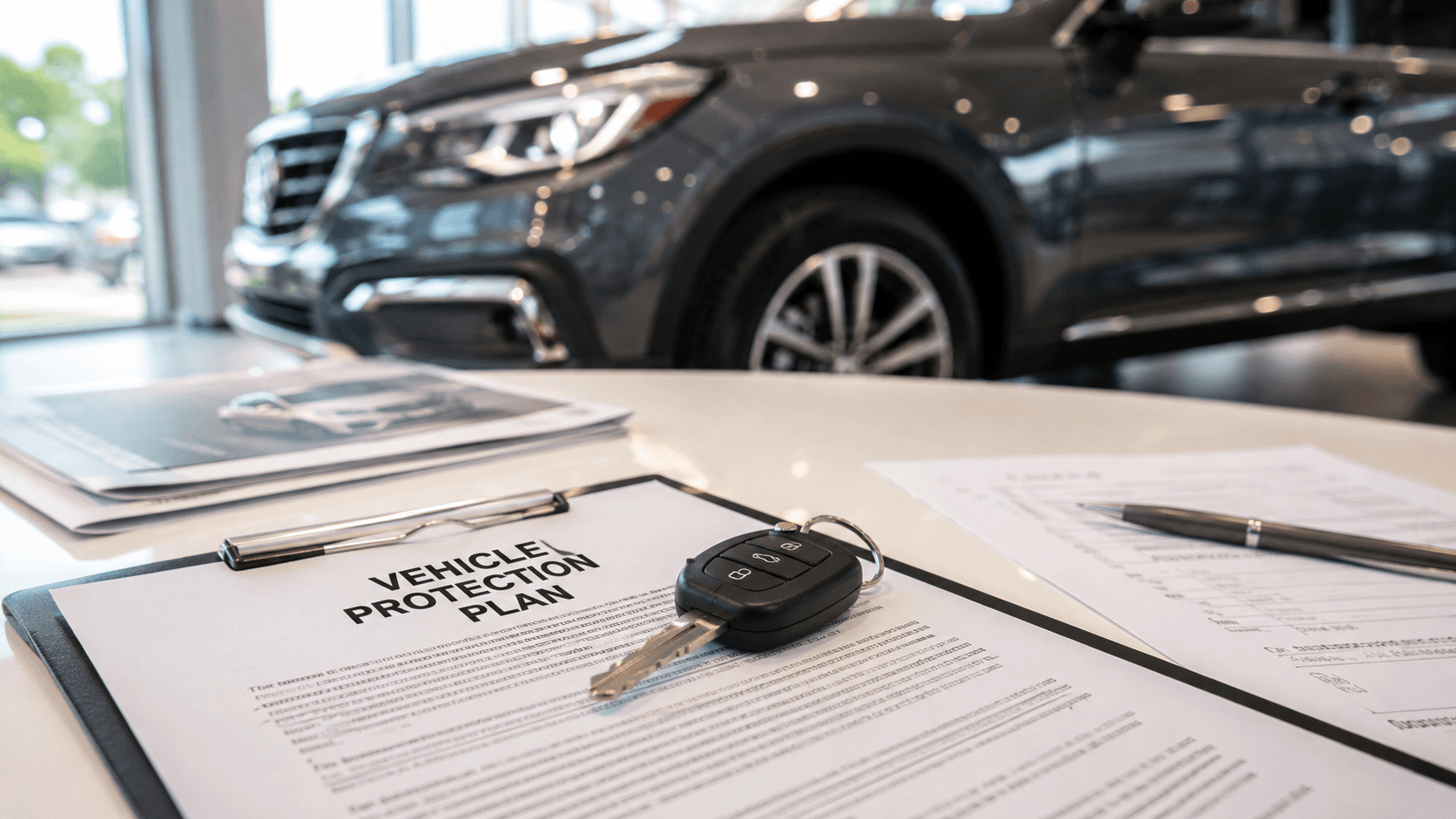
What to Know About Vehicle Protection Plans, Costs, Coverage, and Exclusions
Unexpected vehicle repairs may put pressure on your budget, especially after a manufacturer’s warranty expires. Vehicle protection plans may provide another way to manage certain repair costs by covering eligible mechanical or electrical problems according to the terms of a service contract. However, these plans can differ significantly in coverage, exclusions, deductibles, pricing, and eligibility requirements.
A plan that might make sense for one driver may offer limited value to another. Before choosing coverage, it helps to understand what these plans are, what they may include, and which questions you should ask before signing a contract.
What Are Vehicle Protection Plans?
Vehicle protection plans are generally service contracts designed to help pay for certain covered vehicle repairs after a mechanical or electrical breakdown. Depending on the contract, coverage might apply to selected components or a broader range of vehicle systems. These plans are sometimes discussed alongside extended vehicle warranties, but the terminology can be confusing.
A manufacturer’s warranty is typically provided by the vehicle manufacturer and applies for a defined period or mileage limit. A separately purchased vehicle service contract may be offered by a manufacturer, dealer, administrator, or third-party provider.
Coverage is not automatic for every repair. Your contract determines which components, situations, and expenses may qualify.
What Might a Vehicle Protection Plan Cover?
Coverage depends on the specific contract. Some plans focus on major powertrain components, while broader options may cover additional electrical and mechanical systems.
Potential coverage could include:
- Engine components
- Transmission components
- Drive axle components
- Steering systems
- Certain electrical components
- Air-conditioning components
- Cooling systems
- Suspension components
Some contracts might also provide additional services, such as towing or roadside assistance. These benefits should be verified directly in the contract because limits and conditions may apply. Routine maintenance, cosmetic damage, accident damage, and normal wear items may not be covered.
Comparing Common Types of Vehicle Protection Plans
The names used for coverage levels vary among providers. Looking at the actual contract may therefore be more useful than relying on a plan’s name.
| Plan Type | What It May Cover | What to Consider |
|---|---|---|
| Powertrain coverage | Engine, transmission, and drivetrain components | May provide narrower coverage |
| Stated-component coverage | Specific parts listed in the contract | Check the complete covered-parts list |
| Broader component coverage | Multiple mechanical and electrical systems | Review exclusions and limits carefully |
| Exclusionary coverage | Many components except those specifically excluded | Read the exclusions before purchasing |
An exclusionary contract may sound comprehensive, but that does not mean every repair will qualify. Contract exclusions, maintenance requirements, deductibles, and other conditions can still affect coverage.
How Do Vehicle Service Contracts Work?
A vehicle service contract generally specifies which repairs may qualify for payment and the process you need to follow when a problem occurs.
The process might look something like this:
- Your vehicle develops a mechanical or electrical problem.
- You take it to an eligible repair facility.
- The repair facility or contract holder contacts the plan administrator.
- The administrator reviews the problem against the contract terms.
- If the repair qualifies, the plan may cover eligible costs according to the agreement.
- You may be responsible for a deductible and any non-covered expenses.
How Much Might Vehicle Protection Plans Cost?
There is no single price that applies to every driver or vehicle. Vehicle protection plan cost may depend on several factors, including:
- Vehicle age
- Current mileage
- Make and model
- Coverage level
- Contract length
- Deductible
- Vehicle repair history or expected repair costs
- Provider or administrator requirements
A lower upfront price does not necessarily mean a plan will offer better overall value. Similarly, a higher-priced contract does not automatically provide the right coverage for your vehicle. Consider comparing the total contract price alongside deductibles, exclusions, coverage limits, and cancellation terms.
Vehicle Protection Plan vs. Manufacturer Warranty: What Is the Difference?
These terms may sometimes be used loosely, but they should not automatically be treated as interchangeable.
| Feature | Manufacturer Warranty | Vehicle Protection Plan |
| Provider | Vehicle manufacturer | May be manufacturer, dealer, administrator, or third party |
| Initial cost | Commonly included with a new vehicle | Usually purchased separately |
| Coverage period | Limited by stated time or mileage | Depends on contract |
| Covered repairs | Defined by warranty terms | Defined by service contract |
| Exclusions | Apply | Apply |
| Deductible | Depends on warranty | May apply |
If your original warranty is still active, check its coverage before purchasing additional mechanical breakdown coverage. Overlapping coverage could reduce the practical value of an additional plan.
What Usually Is Not Covered?
Understanding exclusions can be as important as understanding covered components.
Depending on the contract, exclusions may include:
- Routine maintenance
- Oil changes and fluid services
- Tires
- Brake pads
- Wiper blades
- Cosmetic damage
- Damage caused by collisions
- Problems caused by improper maintenance
- Pre-existing mechanical problems
- Certain modifications
- Repairs specifically excluded by the agreement
This list is only illustrative. Actual exclusions depend on your contract.
What Is a Vehicle Protection Plan Deductible?
A vehicle protection plan deductible is an amount you may need to pay toward a covered repair before or alongside the plan’s contribution. For example, a contract might use a deductible per repair visit or per covered repair. The way the deductible is applied can affect your out-of-pocket expenses. Before selecting a plan, ask how the deductible works rather than focusing only on the dollar amount.
Are Vehicle Protection Plans the Same as Car Insurance?
Generally, no. Vehicle protection plans and car repair coverage provided through service contracts serve a different purpose from standard auto insurance. Auto insurance may cover certain financial losses associated with collisions, theft, liability, or other insured events, depending on the policy.
What Should You Check Before Choosing a Plan?
Reading the actual contract may help you determine what you are purchasing.
Consider asking:
- Which parts are specifically covered?
- Which repairs are excluded?
- Is there a deductible?
- Is the deductible charged per repair or per visit?
- Where can you have the vehicle repaired?
- Is prior authorization required?
- Are labor costs covered?
- Are diagnostic fees covered?
- Are there maximum coverage or payment limits?
- What maintenance records must you keep?
- Can you cancel the contract?
- Is the plan transferable if you sell the vehicle?
- Are additional services included, and what limits apply?
Avoid relying solely on promotional descriptions. The written contract should provide the details needed to evaluate coverage.
Could a Vehicle Protection Plan Be Worth Considering?
Maybe. The answer depends on your vehicle, finances, existing warranty coverage, and tolerance for unexpected repair expenses. A plan might be worth considering if your vehicle is approaching the end of its original warranty and you prefer more predictable repair-related expenses. On the other hand, you might decide that setting aside money for future repairs fits your situation better.
Comparing the contract price with your vehicle’s likely repair needs may help you make a more informed decision. Neither approach can eliminate the possibility of future out-of-pocket costs.
Frequently Asked Questions
Do vehicle protection plans cover every repair?
No. Coverage depends on the contract. Exclusions, maintenance requirements, deductibles, coverage limits, and other conditions may determine whether a repair qualifies.
Can older vehicles qualify for vehicle protection plans?
Some older or higher-mileage vehicles may qualify, but eligibility varies among providers and plans. Coverage options might become more limited as vehicle age or mileage increases.
Can you use any repair shop?
It depends on the contract. Some plans may allow repairs at a range of licensed facilities, while others may have specific requirements. Check this before purchasing.
Does a protection plan cover routine maintenance?
Many service contracts do not cover routine maintenance unless the agreement specifically includes maintenance-related benefits. Review the contract for exact details.
Can a claim be denied?
A repair request may not qualify when the problem is excluded or when contract requirements have not been met. Maintenance requirements, prior authorization rules, eligibility, and other terms may affect coverage.
Making Sense of Vehicle Protection Plans Before You Decide
Vehicle protection plans may help with certain eligible mechanical and electrical repair expenses, but their usefulness depends heavily on the individual contract. Coverage levels, deductibles, exclusions, repair procedures, and costs can vary. Before making a decision, compare several contracts carefully and pay particular attention to what is excluded.
Understanding your existing warranty and considering how much unexpected repair expense you could comfortably manage may also help you decide whether additional protection fits your needs.
Suggested Posts
All PostsAllAll PostsAll

Why Travel Rewards Benefits May Be Worth Exploring Before Your Next Vacation
- Jeff Weasley

Interest Rates Explained: What They Mean for Your Money and Financial Decisions
- Katie Swift