
Buying a New Construction Home vs. an Existing Home: What’s the Difference?
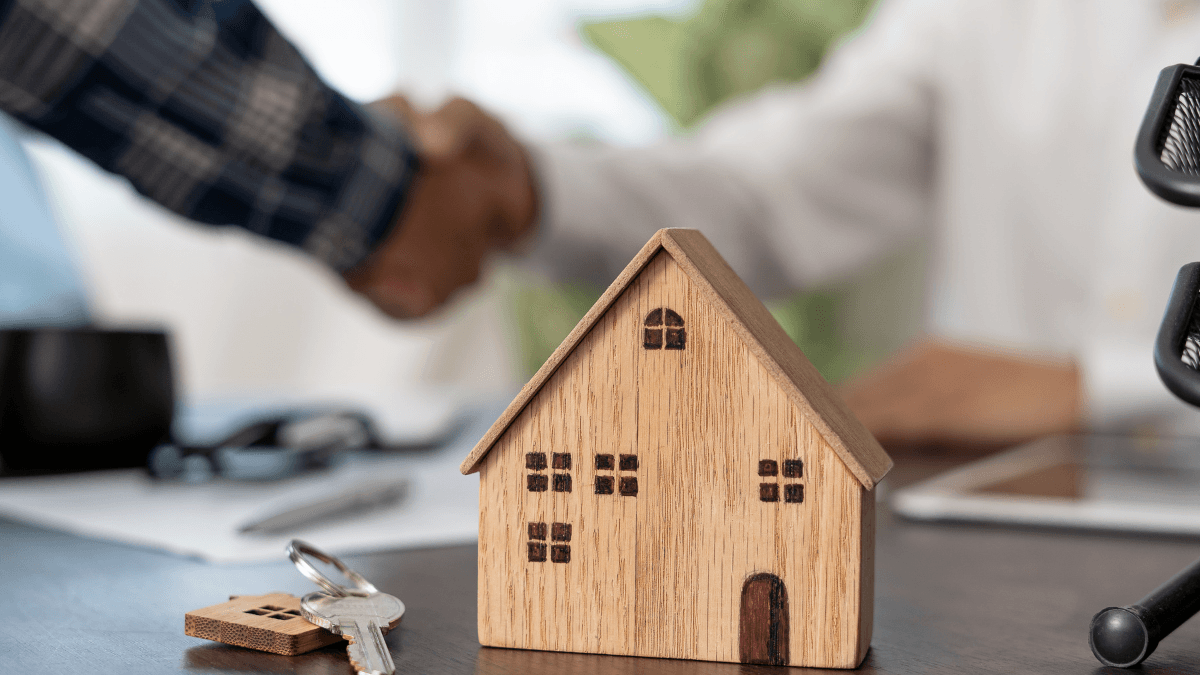
Buying a New Construction Home vs. an Existing Home: What’s the Difference?
Choosing between a newly built home and an existing property can shape everything from your move-in timeline to your long-term maintenance plans. Neither option is automatically better. The right choice depends on your budget, preferred location, lifestyle, and how much customization you want.
Understanding the biggest differences can make it easier to narrow your search.
Customization and Personalization
One of the main advantages of new construction is the opportunity to personalize your home.
Depending on when you purchase, you may be able to choose:
- Floor plans
- Flooring
- Cabinets and countertops
- Fixtures and finishes
- Paint colors
- Exterior styles
- Certain structural options
The earlier you purchase during construction, the more choices may be available. Once construction progresses, structural changes typically become more limited.
With an existing home, most design decisions have already been made. You can renovate after purchasing, but those improvements require additional time and money.
Modern Layouts vs. Established Character
New homes are often designed around contemporary lifestyles, with open gathering spaces, larger kitchens, flexible rooms, storage, home-office options, and modern layouts.
Existing homes offer something different. Depending on the property, you may find distinctive architectural details, mature landscaping, established surroundings, and neighborhoods that have developed over many years.
When comparing properties, look beyond total square footage. A thoughtfully arranged smaller home may function better for your lifestyle than a larger property with an inconvenient layout.
Maintenance and Repairs
New construction generally starts with new roofing, plumbing, electrical systems, HVAC equipment, windows, and other major components. This may reduce the likelihood of needing major replacements soon after moving in.
New homes may also include builder and manufacturer warranties, although coverage varies. Review exactly what is included, how long coverage lasts, and how warranty requests are handled.
Existing homes can be less predictable. One property may have recently updated systems, while another could require significant repairs.
Before buying, consider the condition and expected remaining life of major components rather than relying solely on the home’s age.
Energy Efficiency
Modern building practices may provide new construction with advantages in areas such as insulation, windows, appliances, and heating and cooling equipment. However, a new home isn’t automatically inexpensive to operate.
Home size, climate, insulation, equipment efficiency, utility rates, and household habits can all influence energy costs.
When comparing homes, examine the features of the individual properties rather than assuming newer always means more efficient.
Location and Neighborhood
Existing homes may provide more choices in established neighborhoods near employment centers, schools, shopping, transportation, and entertainment.
New construction depends on available land and may be concentrated in developing communities. However, location varies considerably by market.
A developing community may also continue changing after you move in. Additional homes, roads, landscaping, and amenities could be added over time.
Consider your commute and everyday destinations instead of judging a location only by distance on a map.
Landscaping
Mature landscaping can be a significant advantage of an existing home. Established trees can provide shade, privacy, and character that take years to develop.
New construction may offer a blank canvas, but buyers should determine exactly what landscaping is included with the property. Fencing, irrigation, patios, trees, and other exterior improvements may represent additional expenses.
Compare the Total Cost
Purchase price alone doesn’t provide the complete picture.
With new construction, consider expenses associated with upgrades, optional features, landscaping, window treatments, appliances, HOA costs, financing, and closing.
For an existing home, consider potential repairs, renovations, maintenance, utilities, and replacement of aging systems.
Model homes can also contain upgrades beyond the builder’s standard package. When touring one, ask which features are included in the base price and which require additional spending.
Move-In Timeline
An existing home can typically provide a more straightforward timeline once the transaction closes.
Building a home from the ground up requires more patience. Weather, permits, inspections, material availability, and labor can affect completion schedules.
Quick move-in homes provide another possibility. These are new homes that are already finished or nearing completion, giving you many advantages of new construction without waiting through the entire building process. The tradeoff is having fewer opportunities for customization.
Don’t Skip the Inspection
New doesn’t mean problem-free.
Construction involves numerous materials, contractors, systems, and installation steps, so an independent inspection can potentially identify issues before closing.
Inspections are equally important with existing homes, where roofing, plumbing, electrical systems, HVAC equipment, drainage, moisture, and structural components may require attention.
Finding the Home That Fits Your Priorities
New construction can be appealing if you value contemporary layouts, personalization, newer systems, and potential warranty coverage. An existing home may be more attractive if you prioritize an established neighborhood, mature landscaping, a quicker move, or a particular location.
For buyers considering new construction in Salt Lake County, Liberty Homes offers customizable floor plans as well as move-in-ready properties, providing different levels of personalization and timing flexibility.
Instead of deciding based solely on whether a home is new or existing, compare the individual properties, total expected costs, location, condition, timeline, and long-term suitability. The better choice is the home that works naturally with your budget and the way you actually want to live.
Suggested Posts
All PostsAllAll PostsAll


Pet Insurance Claims: How the Process Works and What Pet Owners Should Know
- James Anderson
Home Improvements and Home Equity: How Renovations Can Affect Your Property Value
- Katie Swift