
Home Improvements and Home Equity: How Renovations Can Affect Your Property Value
Home Improvements and Home Equity: How Renovations Can Affect Your Property Value
Home improvements can make your property more comfortable, functional, and appealing, but spending money on renovations doesn’t automatically create an equal increase in home equity. Home equity is generally the difference between your property’s current market value and the outstanding debt secured against it.
Understanding the relationship between renovation costs, market value, and financing can help you make more informed decisions before starting a major project.
Renovation Cost and Added Value Aren’t the Same
A $70,000 kitchen remodel doesn’t necessarily increase your home’s market value by $70,000. Likewise, an expensive bathroom or backyard renovation doesn’t guarantee a dollar-for-dollar return.
Market value depends on what buyers are willing to pay compared with similar properties in your area. Factors such as neighborhood, property condition, workmanship, design, local buyer expectations, and housing-market conditions can all influence a renovation’s impact.
That’s why renovation decisions should consider both what you’ll spend and what the improvement is realistically likely to contribute.
Maintenance Can Protect Existing Equity
Not every worthwhile home project directly increases market value.
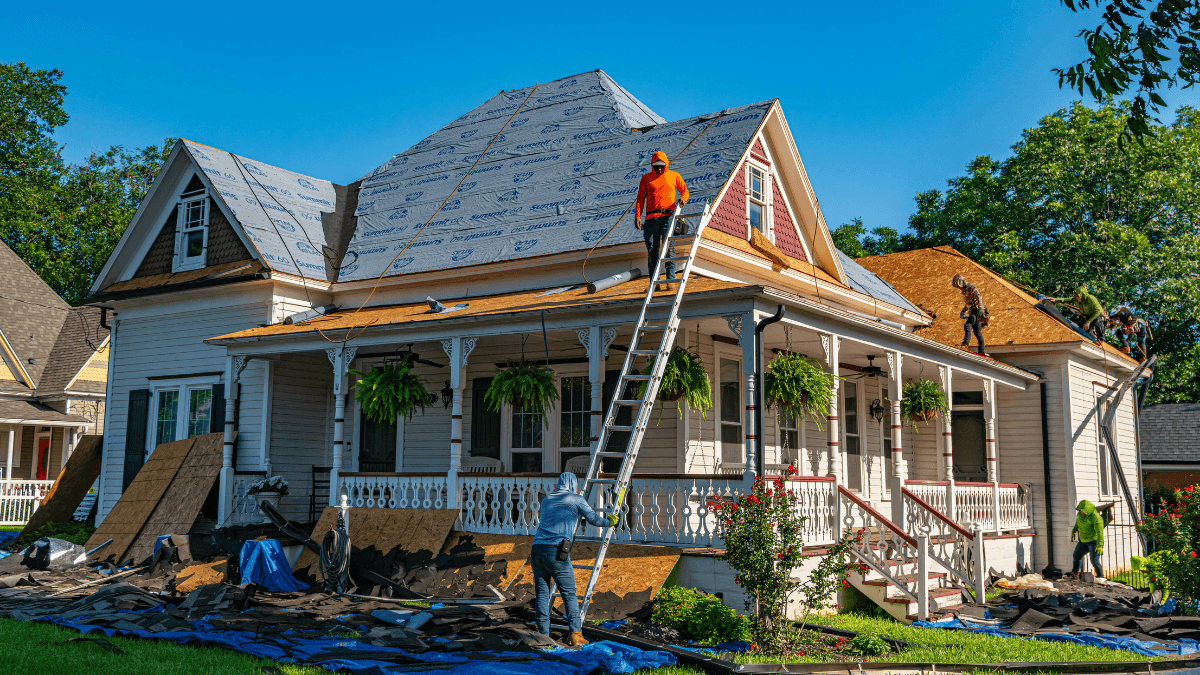
Replacing a failing roof, repairing plumbing, correcting water intrusion, or maintaining electrical and HVAC systems may primarily protect your property’s existing condition rather than dramatically increase its value.
Deferred maintenance can reduce buyer interest, create inspection problems, and influence negotiations. Keeping your property in good condition can therefore play an important role in protecting the equity you’ve already accumulated.
Consider Improvements Buyers Can Appreciate
Certain improvements can influence functionality and market appeal, but context matters.
Kitchens and Bathrooms
Kitchens receive significant attention because they’re central to everyday living and highly visible during home showings. Updated cabinetry, countertops, lighting, flooring, storage, and appliances can improve usability and presentation.
Bathrooms can similarly benefit from updated fixtures, surfaces, ventilation, lighting, and storage. Adding a bathroom may be particularly useful when the home’s existing layout has an inconvenient bedroom-to-bathroom ratio.
Avoid assuming that premium finishes automatically generate premium returns. Improvements intended primarily for resale should generally reflect what buyers expect within your local market and price range.
Curb Appeal
Landscaping, exterior maintenance, entry improvements, paint, siding, roofing, windows, doors, and driveway condition can all influence a buyer’s first impression.
While every exterior dollar won’t necessarily translate into measurable added value, visible neglect can make buyers question the property’s overall condition.
Avoid Over-Improving Your Home
Your property doesn’t exist in isolation. Nearby comparable homes can influence what buyers are willing to pay.
If most properties in your neighborhood sell within a particular price range, an extremely expensive renovation may not push your home’s value upward by the full amount invested.
Before undertaking a major project primarily to increase resale value, research comparable sales and consider speaking with knowledgeable local real estate professionals.
Personal Enjoyment Has Value Too
Financial return doesn’t have to be the only reason to renovate.
If you create an outdoor living space that your family enjoys regularly for a decade, the project can provide meaningful lifestyle value even if you don’t recover its entire cost when selling.
The important distinction is knowing your objective. A renovation designed around personal enjoyment can be worthwhile without being the highest-returning investment.
Think Carefully About Financing
Financing renovations with home equity changes the financial equation.
Suppose you borrow $50,000 against your home and the renovation eventually contributes an estimated $30,000 to market value. The property has improved, but you’ve also created an additional $50,000 obligation.
Evaluate both sides of the equation rather than considering only the potential increase in property value.
Common equity-access options can include home equity loans, HELOCs, cash-out refinancing, and home equity investments. Each works differently and can involve different costs and risks.
How a Home Equity Investment Can Work
A Home Equity Investment offers an alternative to conventional home equity borrowing.
Point’s HEI can provide eligible homeowners with a lump sum in exchange for a contractual share tied to the home’s future change in value. Point identifies renovation as one possible use for the proceeds, and its HEI doesn’t require monthly HEI payments.
However, renovations and HEIs have an important relationship. Improvements can affect your property’s future value, and that future valuation can influence the amount ultimately owed under the HEI agreement.
Review personalized terms and potential repayment scenarios carefully before deciding whether this approach fits your renovation plans.
Control Your Renovation Costs
A project’s financial outcome depends partly on controlling what you spend.
Obtain multiple detailed contractor estimates and determine what’s included, such as labor, materials, permits, subcontractors, disposal, and allowances.
Also maintain a contingency reserve. Opening walls or beginning demolition can reveal plumbing, electrical, moisture, or structural problems that weren’t visible beforehand.
If you’re borrowing against your property, avoiding unnecessary cost overruns becomes especially important.
Keep Records of Major Improvements
Maintain documentation for substantial work, including contracts, invoices, receipts, permits, plans, warranties, proof of payment, contractor information, and before-and-after photographs.
These records may be useful for future maintenance, warranties, appraisals, property sales, and certain tax matters.
Make Improvements With a Clear Purpose
Before renovating, decide whether your primary objective is improving your everyday life, protecting the home’s condition, preparing to sell, or potentially increasing market value.
If resale is approaching, broadly appealing repairs and improvements may deserve priority. If you expect to remain in your home for many years, personal enjoyment and long-term functionality can carry more weight.
Ultimately, a successful renovation isn’t simply one that makes your home worth more. It’s one where the cost, financing, potential market impact, and value to your household make sense together.
Suggested Posts
All PostsAllAll PostsAll

Why Travel Rewards Benefits May Be Worth Exploring Before Your Next Vacation
- Jeff Weasley

Interest Rates Explained: What They Mean for Your Money and Financial Decisions
- Katie Swift