Why Reading Home Warranty Service Exclusions Can Prevent Unexpected Repair Expenses
Why Reading Home Warranty Service Exclusions Can Prevent Unexpected Repair Expenses
Unexpected appliance or home system problems can place pressure on a household budget. A home warranty service may help manage some repair or replacement expenses when covered systems or appliances stop working under the conditions stated in the service contract. Home warranties are generally service contracts purchased separately rather than warranties automatically included with a home.
Coverage commonly relates to appliances, heating and cooling equipment, plumbing, or electrical systems, depending on the selected agreement. However, coverage can vary significantly between providers and plans. Limits, exclusions, service charges, waiting periods, and maintenance requirements may affect how useful a contract becomes. Reading the agreement carefully can help you understand what protection you are actually purchasing.
What Is a Home Warranty Service?
A home warranty service is a contractual service designed to help arrange repairs or replacements for specified household systems and appliances when covered breakdowns occur. Unlike homeowners insurance, which typically addresses losses caused by events such as fire, theft, or certain weather incidents, a home warranty commonly focuses on mechanical failures associated with normal use. Specific definitions and coverage terms depend on the contract.
When a covered problem occurs, you normally contact the warranty provider and submit a service request. The provider may then assign a technician or contractor to diagnose the issue. A service fee may apply.
What Can Home Warranty Coverage Include?
Home warranty coverage varies by contract. Plans may cover household systems, appliances, or both.
Commonly listed systems can include:
- Heating systems
- Air conditioning systems
- Electrical systems
- Plumbing systems
- Water heaters
Common appliances can include:
- Refrigerators
- Dishwashers
- Ovens and ranges
- Washing machines
- Clothes dryers
- Built-in microwaves
Coverage of an appliance does not necessarily mean every component is included. For instance, a refrigerator may qualify for coverage while certain dispensers, water lines, or related components are excluded under the contract.
That makes the actual service agreement far more useful than a short marketing summary when comparing plans.
How Does a Home Warranty Service Work?
The general process may look like this:
- A covered appliance or system develops a problem.
- You file a service request with the warranty provider.
- The provider assigns or approves a service technician.
- You may pay the required service call fee.
- The technician evaluates the problem.
- The warranty company determines if the repair qualifies under the contract.
- An approved repair or replacement may be arranged, subject to applicable limits.
Approval depends on the terms of the agreement. Some claims may be denied because of exclusions, maintenance issues, pre-existing problems, or conditions outside normal wear.
Home Warranty Plan Coverage at a Glance
| Item or Situation | May Be Covered | Often Limited or Excluded |
|---|---|---|
| HVAC mechanical breakdown | Yes | Improper maintenance or excluded components |
| Plumbing system failure | Yes | Certain pipes, fixtures, or pre-existing issues |
| Electrical system problem | Yes | Problems outside listed components |
| Refrigerator breakdown | Yes | Cosmetic parts or excluded accessories |
| Dishwasher failure | Yes | Damage linked to improper use |
| Roof leak | Sometimes | May require optional coverage |
| Flood damage | Generally no | Usually handled through applicable property insurance |
| Cosmetic damage | Generally no | Scratches, dents, handles, or trim |
| Pre-existing problems | Commonly excluded | Depends on contract language |
Policy wording determines the actual result, so this table should be treated as general guidance rather than a guarantee of coverage.
Home Appliance Protection Can Help With Certain Repair Expenses
One reason homeowners look at home appliance protection is the potential cost of repairing aging household equipment. A refrigerator, dishwasher, washing machine, or oven can fail unexpectedly. If the problem qualifies under the contract, a home warranty may pay part or all of an eligible repair expense up to the plan’s stated limit.
Still, protection has boundaries. Contracts may establish maximum payouts for individual appliances or specific types of repairs. If a repair exceeds the applicable coverage limit, you may have to pay the remaining amount yourself.
Before buying a plan, check:
- Appliance coverage limits
- Excluded components
- Required maintenance
- Service call charges
- Replacement rules
- Repair authorization procedures
These details can have a major effect on the practical value of the contract.
Home Systems Protection May Cover Important Household Equipment
Home systems protection may be particularly relevant when major mechanical systems have been in service for several years. Heating, cooling, electrical, and plumbing equipment can involve costly repairs. A qualifying home warranty claim may reduce part of that expense. However, the provider may apply coverage caps or exclusions.
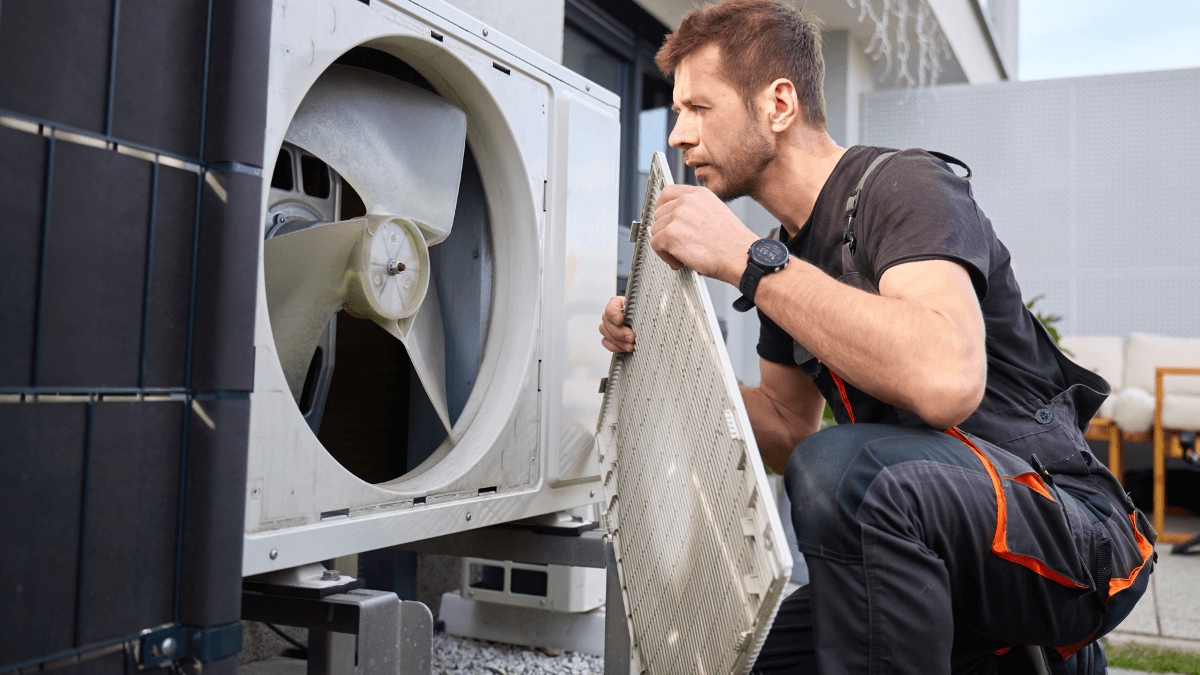
For example, a plan might cover an HVAC breakdown while excluding certain specialty systems or problems resulting from inadequate maintenance. Homeowners should review component-specific rules before assuming an entire system qualifies.
What Does a Home Warranty Cost?
Home warranty cost generally includes two separate expenses: Plan price: The amount paid for the service contract. Service fee: An amount that may be charged when a technician is sent to diagnose a reported problem.
Additional coverage may increase the plan price. Some providers sell optional protection for pools, spas, roof leaks, septic systems, pumps, or similar items. The least expensive plan may not provide the best fit. A cheaper contract with restrictive payout limits could provide less financial assistance during a major repair than a plan with broader eligible coverage.
What Can Cause Home Warranty Claims to Be Denied?
Understanding home warranty claims can help prevent surprises after a breakdown.
Common reasons a claim might not qualify include:
- The item is not listed in the contract
- The damaged component is specifically excluded
- The problem existed before coverage began
- The breakdown resulted from neglect
- Required maintenance was not performed
- The damage came from an external event
- The problem occurred during an applicable waiting period
- The repair was completed without required authorization
The Federal Trade Commission advises consumers to check the contract carefully and keep records related to warranty claims and communications.
Saving maintenance receipts and service records may help document the history of covered equipment.
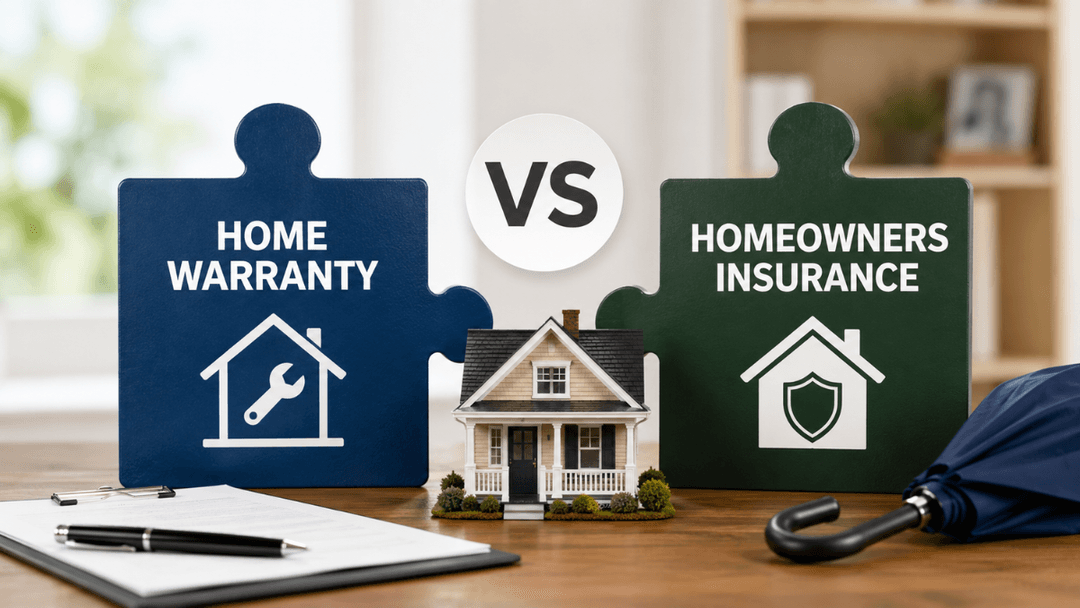
Home Warranty Service vs. Homeowners Insurance
A home warranty and homeowners insurance generally address different types of problems.
| Home Warranty Service | Homeowners Insurance |
|---|---|
| Service contract | Insurance policy |
| Usually purchased separately | Commonly maintained as property coverage |
| Focuses on eligible mechanical breakdowns | Focuses on covered property losses |
| May cover systems and appliances | May cover the structure and personal property |
| Usually requires a service call fee | May require an insurance deductible |
| Governed by contract exclusions and limits | Governed by policy terms and limits |
For example, an air conditioner that stops functioning because of an eligible mechanical failure might fall under a home warranty contract. Damage caused by a covered property event may instead fall under homeowners insurance.
How Can You Evaluate a Home Warranty Plan?
A home warranty plan should be judged by its written terms rather than promotional language.
Review these areas before signing:
Covered Items
Check that the appliances and systems important to your household appear in the agreement.
Coverage Limits
Look for annual limits and item-specific maximum payouts.
Service Fees
Find out how much you may pay each time service is requested.
Exclusions
Read exclusions for pre-existing conditions, maintenance problems, cosmetic damage, improper installation, and specific components.
Contractor Rules
Check if the provider selects the contractor or permits you to use an approved technician.
Repair and Replacement Terms
A covered item that cannot be repaired does not automatically mean you will receive a brand-new replacement. Contract terms may affect replacement amounts, models, or reimbursement limits.
Cancellation Terms
Review cancellation rules, applicable fees, and refund conditions.
Who Might Benefit From a Home Warranty Service?
A home warranty may suit homeowners who have several older systems or appliances and prefer predictable contract costs over handling every eligible repair expense directly. It may also interest homebuyers purchasing a property with appliances that are no longer covered by manufacturer warranties.
On the other hand, households with newer appliances under existing manufacturer warranties may find some coverage overlaps with protection they already have. The FTC notes that some service contracts may duplicate existing warranty coverage, so checking current protection first may prevent unnecessary spending.
Frequently Asked Questions
Does a home warranty service cover every repair?
No. Coverage depends on the service contract. Exclusions, payout limits, maintenance requirements, and covered-component rules can affect eligibility.
Does a home warranty replace broken appliances?
It may repair or replace a qualifying appliance if the contract allows it. Replacement decisions and payment limits depend on plan terms.
Can you choose your own repair technician?
Some providers select technicians from their contractor network. Other plans may permit approved outside contractors. Check the agreement before arranging repairs yourself.
Are pre-existing problems covered?
Pre-existing issues are commonly excluded, though definitions and rules vary by provider.
Is a home warranty the same as homeowners insurance?
No. A home warranty is generally a service contract, while homeowners insurance is an insurance policy addressing specified property risks.
Making an Informed Home Warranty Decision
A home warranty service may provide useful financial assistance when eligible appliances or household systems fail. Its actual value depends heavily on the contract. Check covered items, exclusions, claim requirements, payout limits, service charges, contractor policies, and replacement rules before paying for a plan.
Compare those terms against the age and condition of your appliances and household systems. A careful review can help you determine if the expected home warranty coverage fits your household needs and budget while reducing the chance of unexpected costs when a repair request occurs.