
First-Time Homebuyer Guide: Everything You Need to Know Before Buying Your First Home

First-Time Homebuyer Guide: Everything You Need to Know Before Buying Your First Home
Buying your first home is an exciting milestone, but it can also feel overwhelming. Between mortgage options, down payments, credit requirements, and closing costs, there are many moving parts to consider before you begin your search.
The good news is that successful homebuyers typically follow the same path: they prepare financially, understand their options, and make informed decisions throughout the process. Taking time to plan ahead can help you avoid costly mistakes and make your transition into homeownership much smoother.
Determine How Much House You Can Afford
Before browsing listings or attending open houses, you need a clear understanding of your budget.
Many buyers focus only on the monthly mortgage payment, but owning a home involves several ongoing expenses. Property taxes, homeowners insurance, maintenance, repairs, and possible HOA fees all affect affordability.
To create a realistic budget, consider:
- Your monthly income
- Existing debt payments
- Emergency savings
- Future financial goals
- Expected homeownership costs
Just because a lender approves you for a certain amount does not mean you should spend that much. Choosing a comfortable payment often provides greater financial flexibility in the future.
Improve Your Credit Score Before Applying
Your credit score plays a major role in determining your mortgage interest rate. Even a small increase can result in lower monthly payments and significant savings over the life of the loan.
Before applying for a mortgage:
- Pay all bills on time
- Reduce credit card balances
- Avoid opening new accounts
- Review your credit reports for errors
- Limit unnecessary credit inquiries
Lenders typically view borrowers with stronger credit profiles as lower-risk applicants, which often leads to more favorable loan terms.
Save for More Than Just the Down Payment
One of the biggest misconceptions among first-time buyers is that they only need money for a down payment.
While your down payment is important, you should also budget for closing costs, moving expenses, and initial home-related purchases.
Common loan options include:
- Conventional loans with down payments as low as 3%
- FHA loans requiring around 3.5% down
- VA loans for eligible military members and veterans
- USDA loans for qualified rural properties
Many buyers are surprised to learn they qualify for assistance programs that can help cover some of these costs.
Explore First-Time Homebuyer Programs
State and local governments often provide valuable resources for first-time buyers. These programs can reduce upfront expenses and make homeownership more accessible.
Potential benefits include:
- Down payment assistance
- Closing cost grants
- Reduced-interest loans
- Tax incentives
Researching programs available in your area may uncover opportunities that significantly reduce the amount of cash you need to bring to closing.
Get Pre-Approved Before House Hunting
Pre-approval is one of the most important steps in the home-buying process. It gives you a realistic price range and demonstrates to sellers that you are a serious buyer.
To obtain pre-approval, lenders typically request:
- Government-issued identification
- Recent pay stubs
- Tax returns
- Bank statements
- Employment information
Having pre-approval in hand can make your offer more competitive when you find the right property.
Choose the Mortgage That Fits Your Needs
Not all mortgages are the same. Selecting the right loan depends on your financial situation, credit profile, and long-term goals.
Some buyers benefit from conventional loans, while others find FHA, VA, or USDA programs more suitable. Comparing loan options carefully can help you secure the most favorable combination of rates, fees, and repayment terms.
Find a Knowledgeable Real Estate Agent
A good real estate agent can make the process much easier. They understand local market conditions, negotiate on your behalf, and help you navigate paperwork and deadlines.
Working with an experienced professional can save time and help you avoid common pitfalls that many first-time buyers encounter.
Create a Smart House-Hunting Strategy
Before touring homes, separate your priorities into two categories:
Must-Haves
- Number of bedrooms
- School district preferences
- Commute requirements
- Safety considerations
Nice-to-Haves
- Updated kitchen
- Large backyard
- Finished basement
- Extra storage
This approach keeps your search focused and helps prevent emotional decisions.
Never Skip the Home Inspection
A professional inspection provides valuable insight into the property’s condition. It can reveal issues that may not be visible during a walkthrough.
Inspectors typically evaluate:
- Structural integrity
- Roofing
- Plumbing systems
- Electrical systems
- HVAC equipment
The findings may influence negotiations or help you avoid purchasing a home with costly hidden problems.
Stay Financially Stable Until Closing
Once your mortgage application is underway, avoid making major financial changes.
Do not:
- Open new credit accounts
- Finance a vehicle
- Make large purchases
- Change jobs unexpectedly
Lenders often perform a final review before closing, and significant changes can affect loan approval.
Preparation Creates Confidence
Buying your first home is one of the largest financial decisions you will make. The process becomes much less intimidating when you understand your finances, strengthen your credit, explore available programs, and work with experienced professionals.
The more preparation you complete before starting your search, the more confident you will feel when it is time to make an offer. Homeownership is a major milestone, and with the right strategy, it can become a rewarding investment in your future.
Suggested Posts
All PostsAllAll PostsAll


Pet Insurance Claims: How the Process Works and What Pet Owners Should Know
- James Anderson
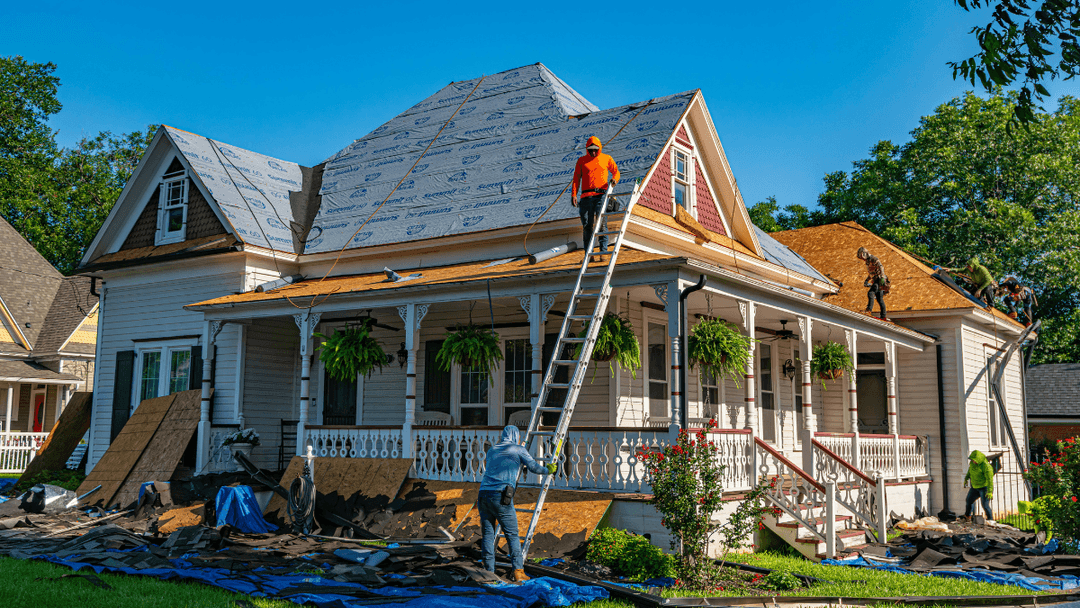
Home Improvements and Home Equity: How Renovations Can Affect Your Property Value
- Katie Swift