How Homeowners Can Compare Appliance and Systems Coverage Before Enrollment Decisions
How Homeowners Can Compare Appliance and Systems Coverage Before Enrollment Decisions
A broken refrigerator, failed air conditioner, or plumbing problem can create an unexpected household expense. Appliance and Systems Coverage may help homeowners manage certain repair or replacement costs when eligible appliances or home systems stop working because of covered mechanical problems. Coverage varies by provider, contract, property, equipment age, maintenance history, and selected plan.
Some plans focus mainly on appliances, while others may include heating, cooling, electrical, and plumbing systems. Before enrolling, homeowners should review covered items, exclusions, service fees, claim procedures, coverage limits, and contract terms. Understanding these details can help you decide if the plan fits your household and budget.
What Is Appliance and Systems Coverage?
Appliance and Systems Coverage generally refers to a protection plan that may pay for eligible repairs or replacements involving household appliances and major home systems. Depending on the home warranty coverage selected, covered items may include refrigerators, dishwashers, ovens, heating equipment, air conditioning systems, plumbing components, and electrical systems.
Coverage does not mean every breakdown will qualify. Providers typically apply exclusions, dollar limits, maintenance requirements, waiting periods, and other contract conditions.
Quick Answer
What does Appliance and Systems Coverage do?
It may help pay eligible repair or replacement expenses after a covered appliance or home system develops a qualifying mechanical problem. The exact protection depends on the agreement. Reading the contract before enrollment can help prevent misunderstandings when a repair is needed.
What Appliances May Be Covered?
An appliance protection plan may include several household appliances commonly used throughout the home.
Depending on the provider and selected plan, eligible appliances might include:
- Refrigerators
- Dishwashers
- Clothes washers
- Clothes dryers
- Built-in microwaves
- Ovens and ranges
- Garbage disposals
- Cooktops
Certain components, accessories, cosmetic damage, improper installation, or pre-existing issues may be excluded.
The provider’s contract should identify exactly which appliances and parts qualify.
What Home Systems May Be Included?
Home systems protection generally focuses on major systems installed throughout a residential property.
Possible covered systems may include:
- Heating systems
- Central air conditioning
- Electrical systems
- Interior plumbing
- Water heaters
- Ductwork
- Certain garage door components
Coverage limits can differ significantly between plans. For example, a contract may cover certain heating components while excluding equipment that does not meet eligibility requirements.
Appliances vs. Home Systems Coverage
| Coverage Area | Possible Examples | Common Issues That May Qualify |
|---|---|---|
| Kitchen appliances | Refrigerator, dishwasher, oven | Mechanical or electrical failure |
| Laundry appliances | Washer, dryer | Eligible component failure |
| Heating | Furnace or heating components | Covered mechanical breakdown |
| Cooling | Central air conditioning | Eligible system failure |
| Plumbing | Interior plumbing components | Covered plumbing malfunction |
| Electrical | Residential electrical components | Eligible electrical failure |
| Water heating | Water heater | Covered component breakdown |
This table provides general examples. Actual repair coverage depends on the terms listed in the provider agreement.
What May Not Be Covered?
A protection plan can have exclusions that affect claim eligibility.
Common exclusions may involve:
- Pre-existing problems
- Improper installation
- Poor maintenance
- Cosmetic damage
- Structural components
- Damage caused by pests
- Certain code violations
- Unauthorized repairs
- Items outside listed coverage
- Damage caused by events excluded under the contract
Coverage limits may apply to individual appliances or systems as well.
For example, a provider might approve an eligible repair while limiting the amount it pays under the contract. Any remaining cost may become the homeowner’s responsibility.
How Does Appliance and Systems Coverage Usually Work?
The process depends on the provider, though many plans follow a similar structure. When a covered item stops working, the homeowner typically submits a service request. The provider may arrange for a technician to inspect the problem. The technician may then determine what caused the failure and report the findings to the coverage provider.
If the issue qualifies under the service contract, the provider may authorize an eligible repair or replacement subject to contract limits. A service fee may apply each time a technician visits the property.
Does Coverage Pay for Every Repair?
No. Appliance and Systems Coverage should not be treated as automatic payment for every household breakdown.
Claims may depend on:
- The cause of the failure
- The covered item
- Contract exclusions
- Maintenance requirements
- Coverage limits
- Technician findings
- Service authorization
- Applicable waiting periods
A claim may be denied if the problem falls outside the stated contract terms.
This is why reading the actual agreement can be important before purchasing a plan.
How Much Can Appliance and Systems Coverage Cost?
Pricing can vary based on several factors, including:
- Property location
- Selected coverage level
- Number of covered systems
- Number of covered appliances
- Optional add-ons
- Service fee structure
- Provider pricing policies
There may also be separate service fees when a repair technician is requested.
Instead of comparing plans based solely on the monthly or annual price, review the total potential expense, including service fees and coverage limits.
Can Coverage Help With Home Repair Costs?
It may.
Unexpected home repair costs can affect a household budget, especially when a major appliance or system stops working. A coverage plan may reduce certain eligible expenses if the repair falls within the contract. However, homeowners may still have out-of-pocket costs because of service fees, exclusions, coverage caps, or non-covered components.
For that reason, coverage can work alongside an emergency repair budget rather than replacing one entirely.
What Should You Check Before Choosing a Plan?
Before enrolling in Appliance and Systems Coverage, review several areas carefully.
Covered Appliances and Systems
Confirm that the household equipment you want protected appears in the contract.
Coverage Limits
Check how much the plan may pay per appliance, system, repair, or contract period.
Service Fees
Find out what fee may apply when requesting technician service.
Exclusions
Read the exclusions section carefully. It can explain situations in which a claim may not qualify.
Maintenance Requirements
Some agreements may require appliances and systems to be properly maintained before a claim qualifies.
Repair Authorization
Check if repairs must receive provider authorization before work begins.
Contractor Rules
Some providers may assign technicians, while others may have different contractor procedures.
Cancellation Terms
Review cancellation rules, applicable fees, and refund policies before enrollment.
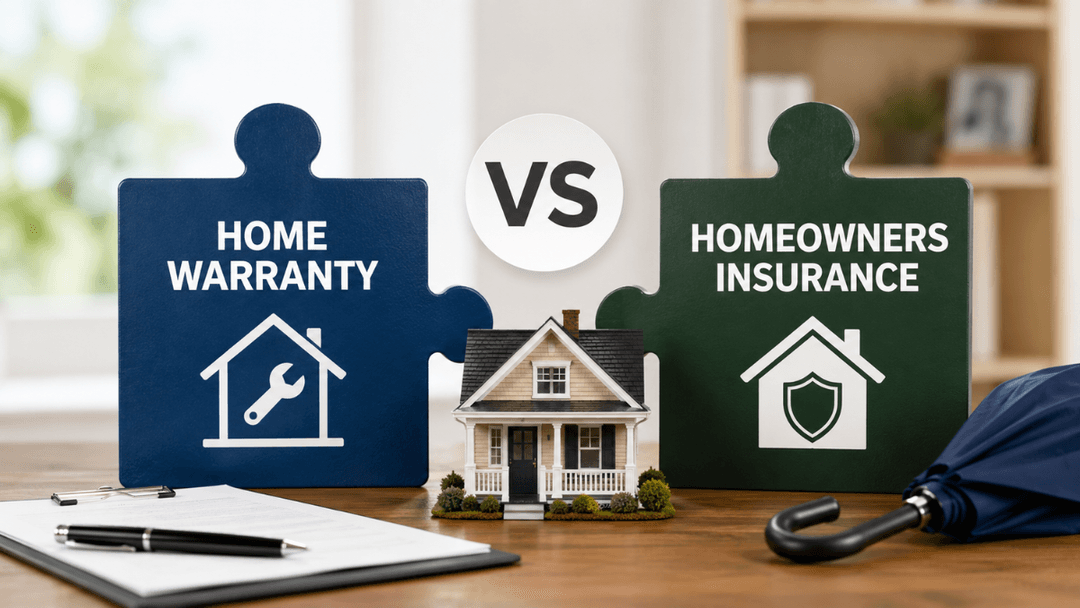
Appliance and Systems Coverage vs. Homeowners Insurance
These forms of protection usually address different types of problems.
| Appliance and Systems Coverage | Homeowners Insurance |
|---|---|
| May address eligible mechanical breakdowns | May cover losses caused by insured events |
| Usually governed by a coverage contract | Governed by an insurance policy |
| May include appliances and home systems | Commonly focuses on property and liability risks |
| Service fees may apply | Deductibles may apply |
| Coverage limits and exclusions apply | Policy limits and exclusions apply |
Homeowners should review each agreement independently because protection can vary.
Who Might Find Appliance and Systems Coverage Helpful?
This type of coverage may suit homeowners who:
- Have several aging household appliances
- Prefer planned service-fee structures
- Want added protection against eligible mechanical failures
- Own heating, cooling, plumbing, or electrical systems that may require repairs
- Want another tool for managing certain household repair expenses
It may be less suitable for a homeowner who already has strong manufacturer warranties, recently installed equipment, or enough savings to handle repairs independently. Individual circumstances should guide the decision.
Frequently Asked Questions
Is Appliance and Systems Coverage the Same as a Manufacturer Warranty?
Usually not.
Manufacturer warranties generally apply to specific products for a defined period and according to manufacturer terms. Appliance and Systems Coverage may apply to several eligible appliances or systems under one separate agreement.
Does Coverage Include Old Appliances?
Some providers may cover older appliances, though eligibility requirements can vary. Equipment condition, maintenance, age limits, and existing problems may affect coverage.
Can a Provider Replace an Appliance Instead of Repairing It?
Possibly. Some contracts may permit replacement when an eligible repair cannot reasonably be completed. Replacement limits and provider rules may apply.
Do You Pay a Service Fee?
Many plans may require a service fee when a technician is dispatched. The amount and payment rules depend on the contract.
Are Pre-Existing Problems Covered?
They may be excluded. The contract should explain how the provider defines pre-existing conditions and how those conditions affect eligibility.
Can You Choose Your Own Repair Technician?
That depends on the provider. Some plans may require technicians from an approved network or prior authorization before repairs begin.
Is Appliance and Systems Coverage Worth Reviewing?
Appliance and Systems Coverage may give homeowners another way to prepare for eligible repair expenses involving household appliances and major systems. The value of a plan depends heavily on its price, covered equipment, service fees, exclusions, coverage limits, and claim rules. Before enrolling, read the full agreement and compare the terms against the condition of your appliances, household systems, and repair budget.