May 21, 2026
Why Mutual of Omaha Reverse Mortgage Appeals to Retirees Seeking Financial Flexibility
- Katie Swift


10 Costly Investing Mistakes Beginners Still Make — and How to Avoid Them
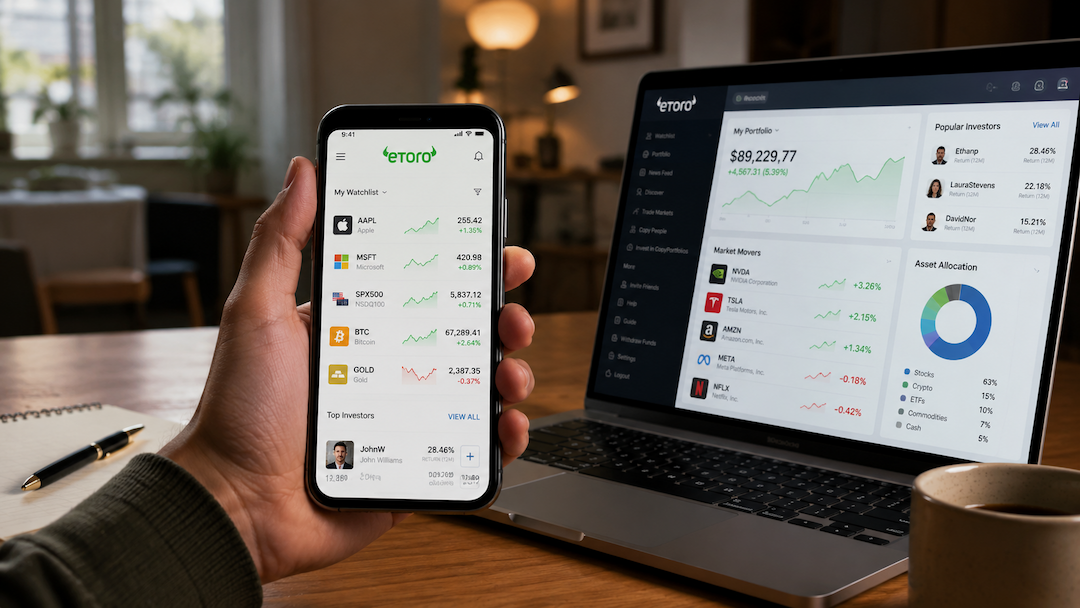
Starting your investing journey has never been easier. Mobile trading apps, fractional shares, ETFs, and social investing platforms have opened the market to millions of first-time investors across the US. But while access has improved dramatically, beginner mistakes remain surprisingly consistent.
In 2026, many new investors still lose money for the same reasons: emotional decisions, unrealistic expectations, poor research, and excessive risk-taking.
Building long-term wealth usually depends less on finding the “perfect” stock and more on avoiding preventable mistakes that slowly damage your portfolio over time.
Market volatility is normal, but beginners often treat every downturn like a financial disaster.
Selling investments during temporary declines locks in losses and prevents portfolios from recovering when markets rebound. Historically, markets have recovered from every major downturn over time.
| Emotional Reaction | Better Approach |
|---|---|
| Panic selling | Stay focused on long-term goals |
| Checking portfolios constantly | Reduce emotional decision-making |
| Reacting to headlines | Follow your investment plan |
Successful investors usually prepare for volatility instead of fearing it.
Social media continues influencing investing behavior in 2026. Trending stocks, meme investments, and viral crypto projects attract beginners hoping for fast profits.
The problem is timing. By the time investments go viral online, much of the early growth has often already happened. Late buyers frequently enter near peaks before corrections begin.
Following hype rarely replaces proper research.
One of the fastest ways to make poor investing decisions is believing every investment should generate massive short-term gains.
Long-term investing typically focuses on steady growth over years, not overnight wealth creation. Sustainable investing often rewards consistency more than aggressive speculation.
Beginners who expect realistic returns usually manage risk better and make calmer decisions during market fluctuations.
Putting most of your money into one stock, sector, or cryptocurrency increases portfolio risk significantly.
Diversification helps spread risk across multiple assets and industries.
A balanced beginner portfolio may include:
Diversification will not eliminate losses entirely, but it can reduce the damage caused by a single poor-performing investment.
Some beginners buy investments based only on headlines, influencer opinions, or online hype.
Understanding basic company fundamentals still matters. Investors should look at:
| Research Area | Why It Matters |
|---|---|
| Revenue Growth | Shows business expansion |
| Profitability | Indicates financial strength |
| Debt Levels | Reveals financial stability |
| Industry Trends | Helps identify future risks |
Investing becomes less emotional when decisions are backed by actual research.
High-risk investing strategies often look exciting online, especially when influencers showcase massive gains.
But aggressive leverage, margin trading, or speculative assets can quickly wipe out beginner accounts. Borrowed money amplifies losses just as much as profits.
For most beginners, learning portfolio management and risk control matters more than chasing huge returns immediately.
Many new investors confuse activity with progress.
Constant buying and selling creates several problems:
Long-term investors often outperform overly active traders because they avoid unnecessary emotional reactions and excessive trading costs.
Small fees can create surprisingly large long-term losses.
Expense ratios, spreads, commissions, and trading costs slowly reduce portfolio growth over time. Beginners sometimes overlook these costs because they appear small individually.
Low-cost ETFs and commission-friendly platforms can help preserve more long-term returns.
One common mistake is investing money meant for rent, emergency savings, tuition, or short-term expenses.
Markets can remain volatile for extended periods. Investors forced to withdraw during downturns often sell at losses.
A separate emergency fund helps reduce this risk and creates more financial flexibility.
Investing is a long-term skill, not something mastered in a weekend.
The strongest investors usually develop gradually through:
Modern investing platforms now offer demo accounts, educational tools, and beginner-friendly resources that make learning more accessible than ever.
Many successful investors build wealth through patience, diversification, consistency, and disciplined decision-making rather than chasing trends or trying to predict every market movement.
In 2026, investing tools may look more advanced, but the fundamentals remain the same. Avoiding emotional mistakes, managing risk carefully, and staying focused on long-term goals still form the foundation of smarter investing.