Jul 01, 2026
How SoFi Private Student Loans Work and What Eligible Students Should Know Today
- Jeff Weasley

Swipe Right: Travel the World Smarter with These 5 Credit Card Hacks in 2025
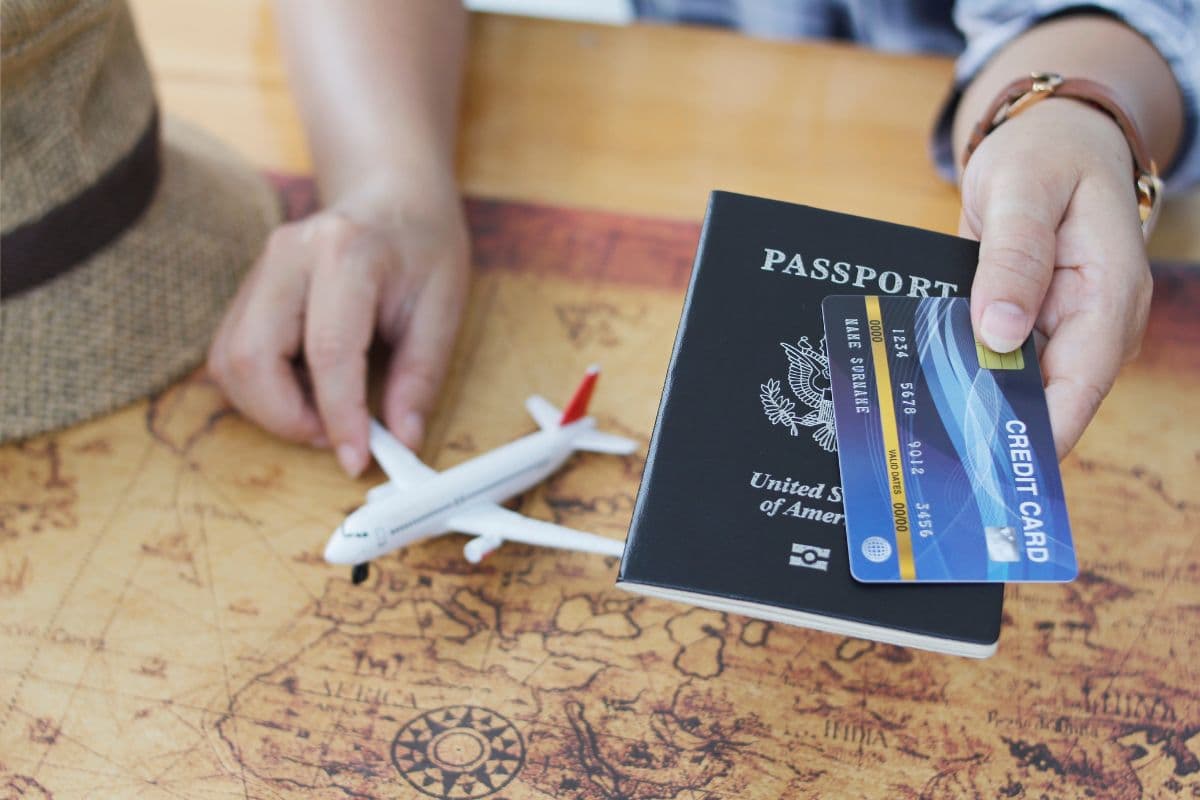
I’ve always believed that smart travelers aren’t the ones with the biggest budgets—they’re the ones who know how to make every dollar work harder. During my last international trip, I saved over $2,300 on flights and accommodations simply by leveraging credit card strategies most people overlook! The secret isn’t about spending more; it’s about spending strategically. Whether you’re planning a weekend getaway or a dream vacation abroad, these five credit card hacks can dramatically transform your travel experience without breaking the bank. The best part? You don’t need to pledge allegiance to any particular brand to reap the rewards.
Travel rewards credit cards offer tremendous value, but timing is everything when it comes to maximizing sign-up bonuses. These initial offers typically provide the highest concentration of points you’ll ever earn from a card—often enough for a free international flight or several nights at a luxury hotel.
The most effective strategy involves synchronizing your card applications with significant planned expenses. Home renovations, annual insurance premiums, property taxes, or tuition payments create perfect opportunities to meet minimum spending requirements without changing your normal budget.
Consider this approach: if you’re planning a $4,000 kitchen remodel in March, apply for a new travel card in February. This planned expense will effortlessly satisfy most cards’ spending thresholds (typically $3,000-$5,000), transforming necessary spending into valuable travel currency.
Before applying for any card, analyze your normal monthly expenditures to ensure meeting the bonus requirements won’t strain your finances. The goal is to redirect existing spending, not create new debt.
A simple spreadsheet tracking three months of expenses provides clarity on what you naturally spend across categories. If a card requires $4,000 in three months but your typical spending only reaches $3,000, you’ll need to identify an additional $1,000 in planned purchases or reconsider that particular card.
The travel credit card industry operates on predictable cycles, with many premium cards offering enhanced sign-up bonuses during the first and fourth quarters. January through March often features elevated offers as card issuers compete for consumers implementing New Year’s financial resolutions. Similarly, October through December brings competitive bonuses targeting holiday shoppers.
Monitoring these seasonal patterns can net you tens of thousands of additional points compared to applying during promotional lulls.
While it’s tempting to apply for several cards simultaneously, this approach can damage your credit score and jeopardize approval odds. Spacing applications by at least 90 days allows your credit profile to recover between inquiries.
Many experienced travelers follow a strategic rotation: apply for one card, meet the spending requirement, then move to the next card. This methodical approach maximizes bonuses while protecting your credit health.
The worst outcome is securing a card with a generous bonus offer, then failing to meet the spending requirement within the specified timeframe. Set calendar reminders at application, halfway through the qualification period, and two weeks before the deadline to track your progress.
Mobile banking alerts that notify you when you’ve reached certain spending thresholds provide additional safeguards against missed opportunities.

While sign-up bonuses provide immediate gratification, the long-term value of travel rewards comes from optimizing everyday spending across multiple cards.
Begin by analyzing your monthly spending patterns across major categories: groceries, dining, travel, gas, entertainment, and general purchases. This spending profile becomes your blueprint for card selection.
Different cards excel in different categories—some offer 4% back on dining but only 1% on groceries, while others might provide 3% on travel but only 1% on dining. By mapping your highest spending categories to cards that reward them most generously, you can significantly increase your points earned without spending an additional dollar.
Once you’ve identified your primary spending categories, assign specific cards to each:
Many travelers carry a physical reminder system—small colored stickers on cards or notes in their phone wallet—to ensure they reach for the optimal card for each purchase.
Managing multiple cards creates administrative complexity. Autopay becomes essential to prevent missed payments, which would negate the value of any rewards through late fees and interest charges.
Set up automatic payments for at least the minimum due on every card, with calendar reminders to pay full balances before interest accrues. Most issuers allow you to select specific payment dates, enabling you to stagger due dates throughout the month rather than facing multiple payments simultaneously.
Some rewards cards offer elevated bonuses in categories that change quarterly—5% on groceries one quarter, then gas stations the next. These rotating category cards complement fixed-category cards by providing periodic boosts to your earning potential.
The key is activating these quarterly categories the moment they’re announced and incorporating them into your card usage strategy for those three months. This temporary adjustment can yield thousands of additional points annually.
Modern technology simplifies multi-card management. Digital wallets allow you to store all your cards securely while labeling each with its optimal use case. When making a purchase, you can quickly select the appropriate card without physically carrying your entire collection.
Some digital wallet apps even provide automatic suggestions for which card to use based on location data and merchant category, removing the mental burden of remembering your optimization strategy.
Airport experiences differ dramatically between travelers stuck in crowded terminals and those relaxing in premium lounges. Many travel credit cards include lounge access benefits that transform layovers from endurance tests into peaceful interludes.
Several distinct lounge networks operate worldwide, each with unique access requirements and amenities:
Priority Pass offers entry to over 1,300 lounges globally but varies in quality. These lounges typically provide complimentary food, beverages, Wi-Fi, and comfortable seating away from terminal chaos.
Airline-specific lounges generally offer superior amenities but limited locations. These spaces often feature better dining options, premium beverages, business centers, and, occasionally, shower facilities.
Card-branded lounges represent the premium tier, with exceptional food, top-shelf beverages, spa services, and private working spaces. However, these facilities exist in fewer locations, primarily at major international hubs.
One of the most valuable aspects of credit card lounge access is that it typically doesn’t depend on your ticket class. You can fly economy while enjoying business-class comforts during connections.
For international travelers, this benefit proves particularly valuable during long layovers. Rather than spending eight hours in uncomfortable terminal seating, access to showers, quiet spaces, and complimentary meals transforms extended connections into manageable experiences.
Most lounge access benefits include provisions for guests, though policies vary significantly between cards. Some permit two free guests per visit, while others charge reduced fees for companions or limit annual guest entries.
For family travelers, understanding these guest policies becomes crucial. A card that allows free entry for the cardholder but charges $32 per guest may prove less valuable than one with a higher annual fee but complementary family access.
Lounge finder applications supplement credit card benefits by helping travelers locate available lounges in unfamiliar airports. These tools typically display lounge locations, hours, entry requirements, and amenity details.
Before traveling to a new airport, research available lounges at both departure and arrival terminals. International airports often have lounges in multiple terminals, and knowing your options prevents wasted time during connections.
While complimentary refreshments represent the most obvious lounge benefit, many facilities offer additional services that substantially enhance travel comfort:
Understanding all available amenities ensures you maximize the value of your credit card lounge benefit.
Advanced travel hackers never settle for single-level rewards. Through strategic program enrollment and portal usage, you can earn multiple reward currencies from a single purchase.
Most major airlines and some hotel chains operate dining rewards programs that award bonus miles or points when you use registered cards at participating restaurants. These programs cost nothing to join and require only a one-time registration of your credit cards.
The mechanics are simple: register your cards with the dining program, use those cards at partner restaurants, and automatically earn bonus rewards—typically 3-5 miles per dollar—in addition to your regular credit card points. This passive earning method requires no ongoing effort beyond the initial setup.
Shopping portals function as reward-generating intermediaries between consumers and online retailers. By accessing your favorite stores through a portal rather than directly, you earn substantial bonus points on purchases you plan to make anyway.
The process works like this: visit your preferred rewards portal, search for an online merchant, click through to their website, and complete your purchase normally. This simple detour can generate 1-20 additional points per dollar beyond your credit card rewards.
Maximizing portal rewards requires knowing which program offers the best return for each merchant. Comparison tools aggregate current portal bonuses across programs, allowing you to identify the optimal path for each purchase.
For example, when buying new luggage online, a quick comparison might show that one portal offers 2 miles per dollar while another provides 5 points per dollar. Understanding the relative value of different reward currencies helps determine which represents the better deal.
Throughout the year, portals run promotional bonuses that multiply standard earning rates. These limited-time offers often coincide with major shopping periods like Black Friday or back-to-school seasons.
Combining these promotional periods with store sales, credit card category bonuses, and standard portal rewards creates powerful “quadruple-dipping” opportunities where a single purchase generates rewards from four different sources.
Without proper management, even the most generous rewards strategy falls apart. Implementing a systematic approach to tracking and optimizing your points prevents expiration, identifies redemption opportunities, and maximizes value.
Whether you prefer digital solutions or manual methods, establishing a comprehensive tracking system is essential for serious travel hackers. This system should monitor:
Several purpose-built applications automate much of this process, securely storing your loyalty credentials and automatically updating balances. Alternatively, a well-designed spreadsheet provides greater customization for those who prefer hands-on management.
Not all points hold equal value. Calculating cents-per-point valuations for different redemption options reveals which programs deliver maximum return on your spending.
The formula is straightforward: divide the cash price of a travel booking by the number of points required. For example, if a hotel night costs $300 or 20,000 points, the redemption value equals 1.5 cents per point. This analytical approach prevents squandering valuable points on low-value redemptions.
Travel rewards programs constantly evolve, with changing award charts and card benefits. Scheduling quarterly reviews of your rewards strategy ensures you adapt to these shifts rather than operating on outdated information.
During these reviews, reassess:
This proactive approach prevents unpleasant surprises and keeps your strategy optimized as both your travel habits and program offerings evolve.
The difference between paying full price and traveling like a VIP often comes down to how strategically you use the plastic in your wallet. By timing your applications around major expenses, optimizing your spending across bonus categories, enjoying airport lounges, stacking rewards through shopping portals, and managing your points efficiently, you’re not just traveling—you’re traveling smarter. Remember that consistency is key; these aren’t one-time tricks but ongoing strategies that compound over time. What travel goals will you accomplish with your newly optimized rewards strategy? Your next luxury getaway might be closer than you think—just a few strategic swipes away.
This article is intended for general informational purposes only and does not constitute financial, legal, or professional advice. The strategies discussed may not apply to all situations or credit cards. Always review the specific terms and conditions of any credit card offer and consult with a qualified financial advisor before making decisions related to your personal finances.